印度的丝绸瑰宝:波恰姆帕利莎丽
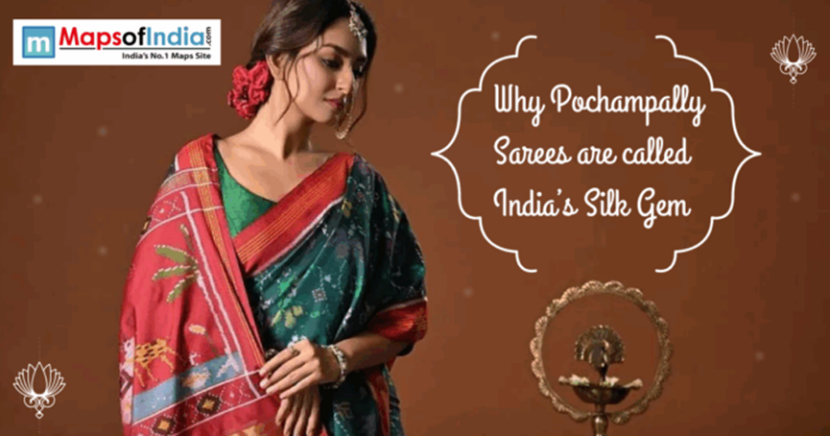
Pochampally sarees have a subtle charm that works like a quiet brilliance. These works of art are sourced from the weaving heartland of Telangana. Each thread is a narrative of the co-existence of patience and precision. The cloth is ultra-light, yet it has a rich texture when it drapes. The Ikat designs display the perfection of sharpness and symmetry. Each saree is a unique piece of art. The colors of the natural dyes become more delicate as they are used. Moreover, zari borders play with the light as if they were stars that have been caught. Women put on these dresses at their weddings and other festive occasions. Till now, the saree continues to be the most fashionable and stylish choice. It is a perfect match between tradition and effortless charm. Pochampally is entitled to its name in the right way, just like the silk, which is a carrier of the skills of a hundred years in every fold.
波恰姆帕利纱丽蕴含着一种内敛的韵味,宛若静默的华彩。这些艺术品来自特伦甘纳邦的织造腹地。每一根丝线,都是一段耐心与精准共存的叙事。布料超轻,却能在垂坠时展现出丰盈的质感。伊卡图案呈现出锐利与对称的完美境界。每条纱丽都是独一无二的艺术品。天然染料的色彩,越用越显雅致。而那扎丽边框与光线嬉戏,仿佛被捕获的星辰。女性在婚礼与节庆中身着这些纱丽,时至今日,它依然是最时尚、最别致的选择。它是传统与从容魅力的完美结合。波恰姆帕利恰如其名——正如这块丝绸,每一道褶皱都承载着百年的技艺。
1
The Origins of Pochampally Cloth Making
波恰姆帕利织造技艺的古老渊源
Long ago, more than eight centuries behind us now, hands began weaving here. People who made cloth moved from coastal Andhra, bringing skills with them. Their new home became Bhoodan Pochampally when they put down roots long before modern maps existed. Fields around offered plenty of cotton, along with mulberry growth thick and steady. Threads of silk were born nearby thanks to small farms raising silkworms.
很久以前,距今八百余载,这里便有人在织布。那些织工从沿海的安得拉地区迁来,带来了他们的技艺。早在现代地图诞生之前,他们便在此扎根,新家园就是如今的布丹·波恰姆帕利。周围的田野盛产棉花,桑树也长得茂盛而茁壮。附近的小型蚕农养殖场,则孕育出了丝线。
From the start, weaving happened on basic looms set into the ground. Designs came from old temple walls, along with things seen outside, trees, birds, and rivers. Kings began supporting the work when Kakatiya rulers held power, then again under Qutub Shahi rule. Fine sarees made their way to royal homes in Hyderabad and forts like Golconda. Much like a tradition that never really left the land of Telangana.
从一开始,织造就是在嵌入地里的简易织机上完成的。图案灵感源自古老的寺庙墙壁,以及户外的景色——树木、飞鸟与河流。历代君王曾支持这门手艺,从卡卡提亚王朝统治者当政,到库特布沙希王朝统治时期皆是如此。精美的纱丽由此进入海得拉巴的皇家府邸以及戈尔康达等城堡。这项古老传统像是从未真正离开过特伦甘纳邦的土地。
2
The Quiet Craft of Double Ikat Weaving
静谧的双伊卡塔织造技艺
Still today, double ikat defines Pochampally’s craft. Not just one thread changes colour, both warp and weft are dyed first. Where resist threads bind the yarn, shapes emerge front and back alike. Getting it right needs eyes sharper than instinct. One slip, even a tiny one, breaks the whole design. Only hands that have counted each loop for decades can trust their rhythm. Fresh indigo, mixed with madder root, colours the cloth. Dipping again and again brings out deeper tones. Each round adds weight to the shade. Threads form something close to quiet calculation.
时至今日,双伊卡特仍是波恰姆帕利工艺的标志。变色的不止是一根经线,经线和纬线都需要预先染色。在用防染线绑扎纱线的地方,能同时从正反两面看到图案。要做到精准,需要的不是直觉,而是比直觉更锐利的眼神。哪怕一个微小的失误,都会破坏整个设计。只只有那些数十年来细数过每一道线圈的手,才能对自己的节奏胸有成竹。新鲜的靛蓝与茜草根混合,为布料上色。一遍又一遍的浸染,染出愈发深沉的色调。每一轮浸泡,都为色泽增添一分厚重。丝线在近乎静默的算计中,编织成形。
3
Traditional Patterns And Meaning
传统纹样及其寓意
Out of nowhere, tiny symbols rise in Pochampally cloth, everyone carrying a hush of purpose. Light jumps across fabric, hinting at fortune yet cradling dreams beneath. Heavy beasts in soft gray step forward, wearing old-time thrones like second skins. Sudden flashes of green wings murmur about closeness, paired with what comes after silence. Up above, temple spires stretch into the sky. Petals weave through forms like whispers. These soft curves carry a calm kind of grace. Even when hues stay scarce, dark beside light holds steady across years. Festivity stirs without announcement. Hints of old ways move through each shade, speaking softly like memories passing by.
波恰姆帕利织物上悄然浮现着微小的符号,每一个都带着沉静的意味。光线在布料上跳跃,暗示着好运,也托举着底下的梦想。浅灰色的巨兽缓步走来,身披古老王座,如同第二层皮肤。一闪而过的绿翼低语着亲密,以及静默之后随之而来的东西。上方,寺庙的尖顶伸向天空。花瓣如低语般交织于形态之间。这些柔和的曲线带着一种平静的优雅。即使色彩稀少,深色与浅色相依相守,经年不变。节庆的气息悄然而至。古老方式的痕迹在每一抹色彩中流动,像记忆一样轻轻低语。
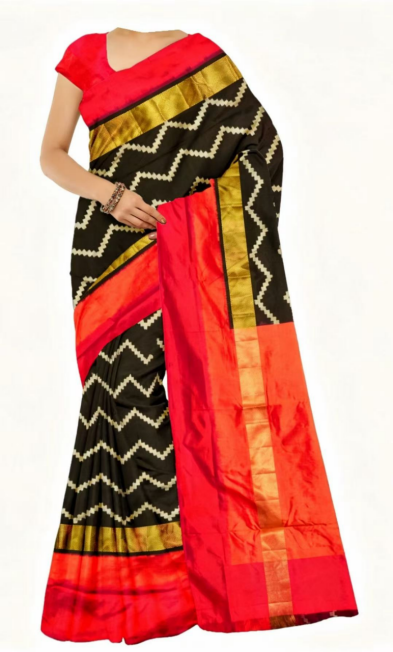
传统的波恰姆帕利丝绸纱丽
4
Natural Dyeing And Eco-Friendly Practices
天然染料与环保实践
From plants they know well, traditional dyers draw colour slowly. Deep blues come through indigo leaves soaked just right. Soft browns appear using nothing more than onion skins left to simmer. Greenish shades emerge if pomegranate peels sit too long in the pot. Only clean materials meet the fibre. Through each rinse, water gets another turn in the vats. What remains after weaving feeds the soil again. New loom artists slowly test plant-based colours. As if seasons dipped their fingers in thread.
传统染匠从他们熟知的植物中慢慢提炼颜料。深蓝色来自完美浸染的靛蓝叶。柔和的棕色只需将洋葱皮加水慢煮便能呈现。石榴皮在锅里泡久了,会泛出微微的绿意。只有干净的物料才能接触纤维。每一次漂洗后,水还会再回到染缸中继续使用。织造后剩下的余料,重新回归土壤。新一代织机艺人开始尝试以植物为原料的天然染剂。仿佛季节将手指浸入了丝线之中。
5
The Three-Phase Weaving Process
三段织造
Starting off, warp gets ready before anything else. Tight across the frame go the silk strands. To block colour, tie-dye steps in early. Onto shuttles, each colored thread is placed slowly. Plain weave forms what comes next on the body. Not quite a week, sometimes months. Threads lock into place over time. A shuttle slides with raw silk inside. Others weave metallic strands along edges. Movements repeat without rush. This is how fabric grows slowly, hand meets thread.
首先备好经线。丝线绷紧在织机上。为了形成色阻,提前进行扎染。各色丝线被慢慢装上梭子。运用平纹织造。有时不到一周,有时要数月。丝线在时间里逐根锁定。梭子带着生丝来回滑动。另一些梭子沿着边缘织入金属丝。动作不紧不慢,重复进行。布料就这样慢慢生长,手与线,交融相契。
6
Gi Tag And Protection Of Authenticity
GI标签与真品保护
One year after four hundred fifty came the official recognition for Pochampally sarees. Woven strictly within a defined area, they carry a unique identity. What sets them apart is the intricate double ikat method, always required. The metallic thread used has to pass strict quality checks. A handloom symbol marks those that are truly authentic. A stamp tells buyers it’s genuine. Because tradition earns a legal shield over time. Only registered versions hold the mark history watches closely.
历经四百五十余载,波恰姆帕利纱丽终于获得了官方认证。这些纱丽只允许在特定区域内织造,拥有独特的身份标识。复杂的双伊卡工艺是关键,这是它们与众不同的地方。所用金属丝必须通过严格的质量检测。纱丽真品会打上手织机标志。印章向买家证明其为真品。因为随着时间推移,这项传统工艺会获得法律保护。只有注册版本才能拥有这枚备受历史瞩目的标记。
7
Modern Changes And Today’s Interest
现代变迁以及当代的兴趣
Suddenly, new makers are reshaping Pochampally with bold ideas. Not just lightweight clothes fit modern life more closely these days. Instead, gentle colours grow popular bit by bit with shoppers. Because ready-made pieces show up stitched ahead of time for comfort. Surprisingly, familiar routines start looking different overnight. Websites let people everywhere buy what they find online. When something gets popular, news travels quickly. Traditional methods shift, yet somehow stay steady.
突然间,新一代制作者带着大胆的创意,正重塑着波恰姆帕利。如今,除了贴合现代生活轻便的衣物,运用柔和的色彩的服装也渐渐受到消费者的青睐。因为提前缝制好的成衣穿起来更舒适。出人意料的是,那些人们习以为常的传统工序,仿佛一夜之间就变了模样。网站让人们随时随地下单购买。一旦某样东西流行起来,消息便不胫而走。传统工艺在变化,却又在某种程度上保持着稳定。
8
The Weaving Communities of Pochampally
波恰姆帕利的织造社群
In the Padmasali community, weaving has always been part of their life. Certain patterns and designs are the property of specific family lines only, passed down as if they were secret treasures. Boys absorb the knowledge of the elders gradually, little by little, over the years. Girls start preparing for the work early, their fingers moving through the steps with confidence and skill. Even now, the hands seem to caress the daily tasks with great care. Close by, electric machines are so loud that they almost drown out tradition. No words have ever been necessary to hand down each beat or pattern; they simply get passed on.
在帕德马萨利社区,织造一直是他们生活的一部分。某些图案和设计只在特定的家族内传承,如同秘藏的珍宝般代代相传。男孩们日积月累,一点一滴地吸收着长辈的技艺。女孩们很早就开始为这门手艺做准备,她们的手指灵巧地穿梭于一道道工序之间,自信而熟练。即便是现在,即便是现在,她们的双手依然一丝不苟地处理着日常的每一道工序。边上电动织机的轰鸣声几乎要将传统的织布声淹没。每一拍节奏、每一道图案的传承,无需多言——它们就这样代代相传。
9
Economic And Social Impact
经济及社会影响力
Weaving by hand feeds countless families. Before threads meet the loom, women shape much of the process. Visitors spending time here lifts business across towns. Support comes through state programs designed with craftworkers in mind. Shared groups handle selling, so makers aren’t left alone. Facing higher prices for thread. Much like old ways of making fabric, stuck where keeping things alive meets moving ahead.
手工织造养活了无数家庭。在丝线上机之前,许多工序都是由女性完成的。游客的到来,带动了周边城镇的生计。政府也推出了面向手工艺人的扶持计划。销售合作社让织造者不必孤军奋战。然而,他们也面临着丝线价格上涨的压力。就像那些古老的织造方式——困在传承与前行之间。
10
Wearing And Caring
波恰姆帕利纱丽的穿着与养护
Pochampally sarees, every time, get perfectly draped. Only folding tightly needs care because they are so light. Silk has a natural cooling effect and is quite comfortable to wear even in hot weather. Only dry clean to preserve the sheen of the metallic threads. While storing, tuck neem leaves to prevent moth damage. Occasionally, give it an airing for a little while. It is just like a treasured antique that requires gentle handling.
波恰姆帕利纱丽每次上身,都能完美地垂坠成型。只是它质地很轻,折叠时需要仔细收好。丝绸具有天然的降温效果,即便在炎热天气里穿着也十分舒适。为了保护金属丝线的光泽,请务必干洗。存放时,塞入几片印楝叶以防虫蛀。偶尔拿出来通通风、晾一晾。它就像一件珍贵的古董,需要温柔相待。
内容来源|Maps of India
转载请注明来源:世界丝绸网