日本丝绸:风靡世界的东方面料
The evolution and significance of silk in Japan
日本丝绸发展与地位
Many parts of Asia and East Asia are well-known for their silk textiles. When we think about silk production, China is usually the country that comes to mind. However, other places, such as India, South Korea, Vietnam and Japan, have long history of producing this sublime fabric.
亚洲及东亚许多地区都以丝绸纺织品闻名。提到丝绸生产,人们通常会想到中国。然而,印度、韩国、越南、日本等地也有着悠久的丝绸生产历史,这种高贵的面料在这些地方也有悠久的织造历史。
Although we tend to focus more on China’s sericulture production than other countries, in part because of silk’s almost mythical origins and in part due to the sheer volumes of silk that are produced and exported yearly. Yet Japan’s sericulture industry is also important to note. Silk-reeling, and weaving, dyeing and producing led to the rapid modernisation and industrialisation of the country, as well as giving us some incredible works of art; kimonos. So, let’s go back in time and see how silk production evolved in Japan.
我们之所以更关注中国的养蚕业,一方面是因为丝绸在中国的起源带有近乎神话般的色彩,另一方面是因为中国每年生产和出口的丝绸数量极为庞大。但日本的养蚕业同样值得关注。缫丝、织造、染色与生产推动了日本的快速现代化和工业化,也为我们留下了一些叹为观止的艺术品——和服。那么,让我们回溯历史,一探日本丝绸生产的发展历程。
Since its discovery, and for hundreds of years after that, only the Chinese royal family were allowed to wear silk. The secret of making it remained within China for thousands of years, while imperial law meant those who dared to leak their silk secrets could be punished by death. No one is sure how, but eventually silk first reached Japan via the Korean peninsula around the 4th century AD. Some sources claim that silk was brought there by four Chinese girls, while others believe that a Chinese man came to the country carrying with him a cluster of silkworm cocoons. So, it wasn’t long before silk’s popularity surged and became a fabric of choice for a variety of purposes. From kimonos to book-bindings for calligraphy and from wall-hangings to samurai inflatable cloaks, silk was widely recognised as a high-quality fabric.
自从丝绸被发现,此后的数百年间,只有中国皇室成员被允许穿着丝绸。丝绸的制作秘密在中国境内保留了数千年,皇家法令规定,任何胆敢泄露丝绸机密的人都可能被处以死刑。没有人确切知道秘密是如何外传的,但最终,丝绸大约在公元4世纪经由朝鲜半岛首次传入日本。有资料称,丝绸是由四位中国少女带到那里的;也有说法认为,是一位中国男子带着一簇蚕茧来到了日本。因此,丝绸很快就流行起来,成为各种服装的首选面料。从和服到书法书皮,从挂毯到武士的“母衣”(一种用竹制骨架将布撑成球状的充气式斗篷),丝绸被公认为一种高品质的面料。
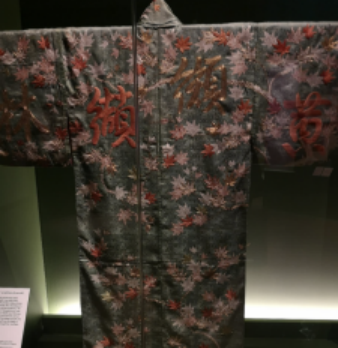
The family run silk farms of Japan
日本的家庭丝绸农场
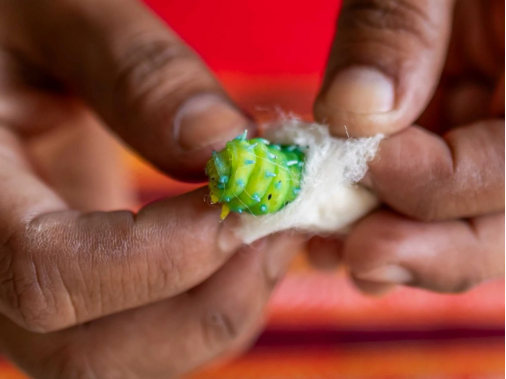
As it became a luxurious commodity in Japan, every house and farm could raise silkworms and in some cases the government would provide farmers with 20kgs of silkworms to get them started. The women of the farm would, then, ensure the worms would be properly fed with mulberry leaves, while the men were responsible for negotiating and selling the product. Silk production is Japan is full of tradition and rituals. For example, at the end of silk farming every summer the Japanese empress marks with a special ceremony, by feeding mulberry leaves to silkworms, this practice has survived right up to the present day. Raising silkworms privately by no means meant that the quality suffered, as they even developed a way to have coloured silk by feeding the silkworms dyes mixed with ground mulberry leaves!
丝绸在日本成为一种奢侈品后,家家户户乃至田间农舍都能养蚕。有时,政府会向农户提供20公斤的蚕种,帮助他们起步。农家的妇女负责用桑叶精心喂养蚕虫,而男性则负责蚕丝产品的议价与销售。日本的丝绸生产充满传统与仪式感。例如,每年夏季蚕桑农事告一段落时,日本皇后会举行一场特别仪式,亲手将桑叶喂给蚕虫——这一习俗一直延续至今。私人养蚕,丝毫不会影响丝绸的品质,他们甚至发明了一种方法:将染料与磨碎的桑叶混合后喂给蚕虫,从而获得彩色丝绸!
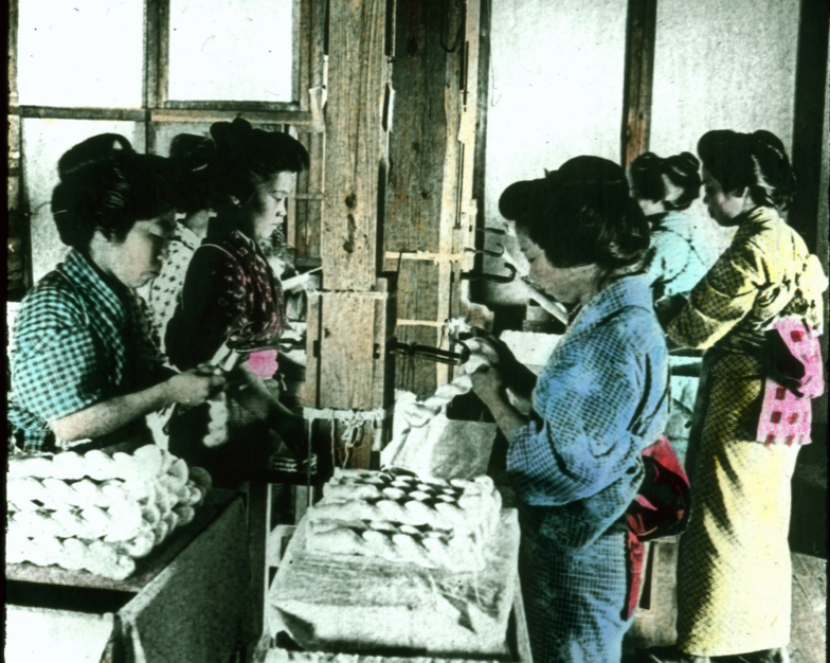
Selling Silk
丝绸销售
At some point, China and Japan competed with each other in silk exports, and Japan even managed to overtake China in the beginning of the 20th century. By 1905, Japanese raw silk exports exceeded the Chinese, and within a few decades, Japanese silk exports gained dominance in the world market. However, the state of the Japanese economy after the Second World War along with the introduction of synthetics and nylon and cheaper imports from China made the Japanese silk industry almost obsolete.
中国和日本曾一度在丝绸出口上相互竞争,而日本甚至在20世纪初成功超越了中国。到1905年,日本生丝出口量已超过中国,随后几十年间,日本丝绸出口在全球市场上占据了主导地位。然而,二战后日本经济陷入低迷,合成纤维和尼龙的兴起加上中国廉价丝绸的进口冲击,让日本丝绸产业几乎走向衰落。
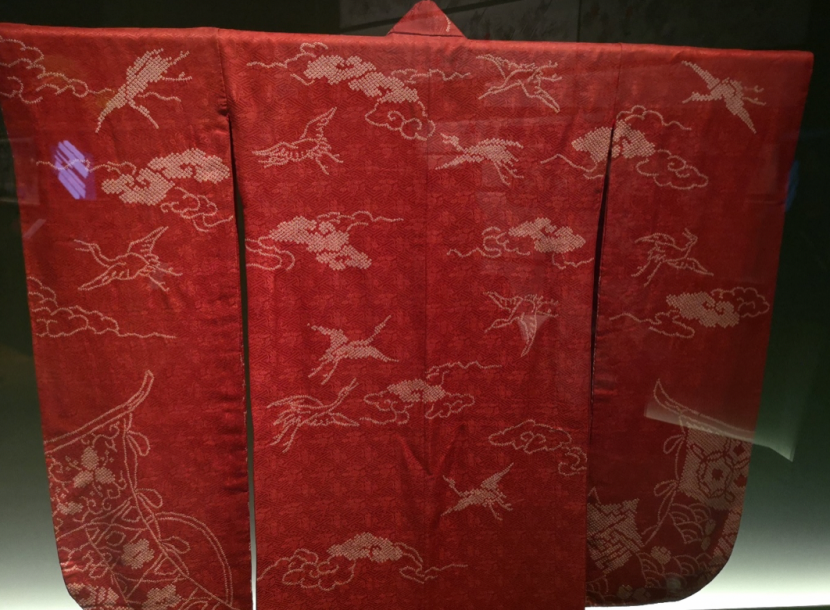
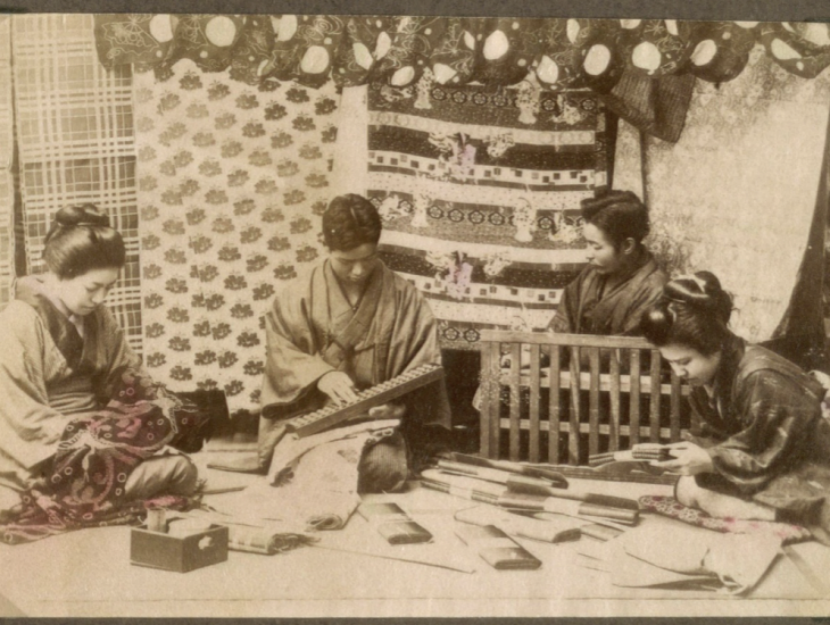
As years (and centuries) passed, the production of silk was industrialised with two main centres in Japan. The first was in Nishijin, a district of Kyoto, and the second in Gunma Prefecture, some 400 kilometres away from Kyoto. Factories in Kyoto produced a distinct type of fabric, called Nishijin ori, which was silk brocade. Nishijin silk became very popular, as it was the preferred fabric for kimonos. It’s no wonder, then, that the place where silk was first developed coincides with where the kimono was born, in Kyoto. Back then Kyoto was the capital of Japan and the home of the Imperial Palace. Gunma on the other hand was where sericulture was industrialised and where a lot of silk factories were operating from.
随着岁月流转,日本丝绸生产逐渐工业化,形成了两大中心。其一位于京都的西阵地区,另一个则在距京都约400公里之外的群马县。京都的工厂生产一种独特的面料,称为“西阵织”,是一种丝绸锦缎。西阵丝绸作为和服的首选面料,大受欢迎。于是,丝绸的发源地与和服的发源地不谋而合,都位于京都——这也在意料之中。彼时,京都是日本的首都,也是皇宫所在地。而群马县则是养蚕业工业化的重镇,许多丝绸工厂在此运营。
Types of Japanese silk
日本丝绸的种类
01
Nishijin Ori
西阵织
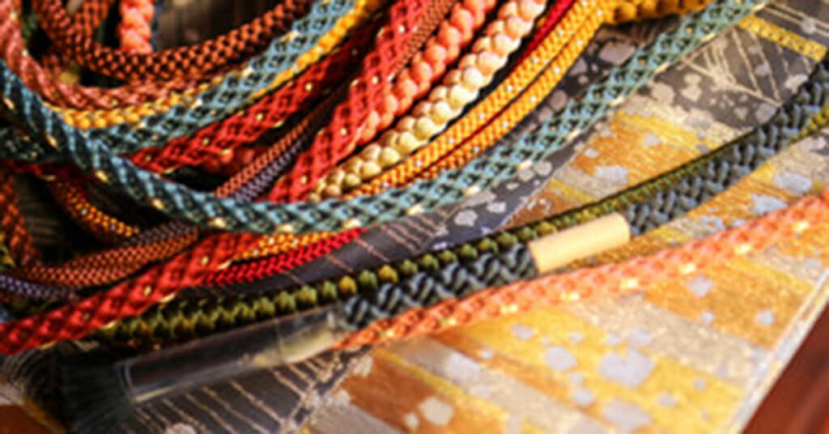
Japanese started creating this silk brocade over 1,000 years ago. The process it takes to weave is very time-consuming, but it is so beautiful to look at! Due to its expensive nature, kimonos made from Nishijin were only used for state functions or weddings. This silk brocade is heavy due to all the layers of embroidery and its thick threads, so now only obi belts are made of this fabric.
一千多年前,日本人便开始制作这种丝绸锦缎。其织造过程极为耗时,但成品美不胜收。由于价格昂贵,用西阵织制成的和服仅用于国事场合或婚礼。这种丝绸锦缎因多层刺绣和粗厚的丝线而质地厚重,因此如今主要用来制作和服腰带。
02
Chirimen silk
缩缅丝绸
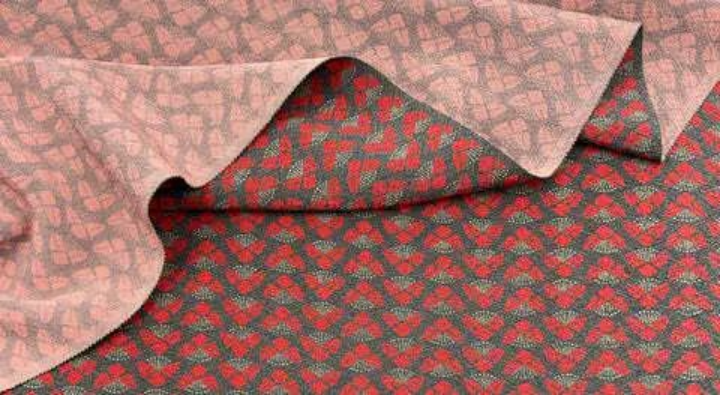
This Japanese silk is also known as silk crepe. Most of the kimonos nowadays are made of this fabric, as this type of silk is light enough and has a wonderful drape. Chirimen can be spun into different forms, such as Kinsha silk, a lighter and finer silk often worn in summer, or Omeshi silk. Kimonos worn by the imperial court are made from Omeshi, a heavier and more luxurious silk, while new ones made from Omeshi silk are extremely rare.
这种日本丝绸也被称为丝绉。如今大多数和服都采用这种面料,因为它足够轻盈,垂坠感极佳。缩缅可以纺成不同形式,例如金纱(Kinsha)——一种更轻薄、更精细的丝绸,常用于夏季穿着;以及御召(Omeshi)——一种更厚重、更奢华的丝绸,皇室宫廷所用的和服即由御召制成,但新的御召和服已极为罕见。
03
Tsumugi silk
紬丝绸
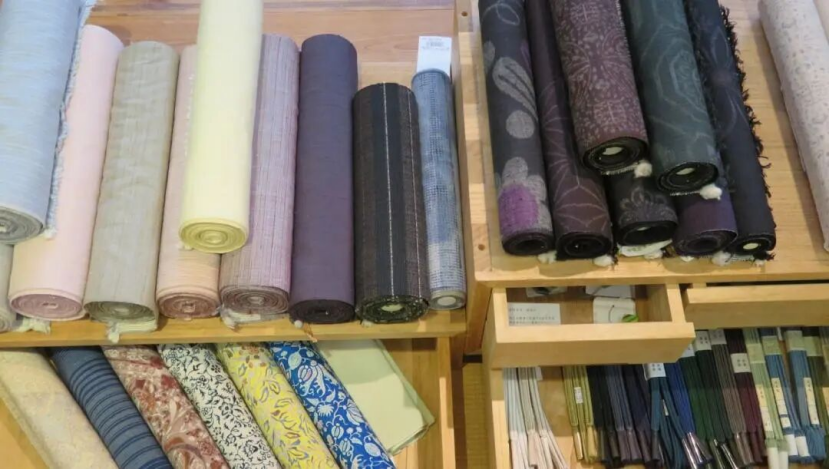
This type of silk is also known as silk noil. Uneven and less lustrous, this silk has a good grip and, so, is used for shawls, scarves or wraps. Time-consuming to make as well, it is a cherished fabric and the more it’s worn, the softer it becomes.
这种丝绸也被称为丝落绵。其质地不均匀、光泽较淡,但抓握感良好,因此常用于披肩、围巾等配饰。制作过程同样耗时,是一种备受珍视的面料,且越穿越柔软。
For over 10 centuries, Japanese silk has continued to flourish and played a role in the industrialisation of the country. From imperial court life to little farms, silk was prominent in the daily life in Japan and was even important in the trade relations of the country with the West.
在长达十个多世纪的时间里,日本丝绸持续繁荣,并推动了该国的工业化进程。从皇室宫廷生活到普通农家小院,丝绸是日本人日常生活中不可或缺的一部分,甚至在对西方贸易中也举足轻重。
This is the beauty of what Japanese silk making has done; it has given the world the chance to experience their unique types of silk and Japanese clothing styles are now enjoyed and replicated around the globe.
这正是日本丝绸制作的动人之处:它让全世界有机会领略其独特的丝绸品类,而日本的服装风格如今也已风靡全球,并被各地借鉴模仿。
内容来源|Patra
转载请注明来源:世界丝绸网