丝路往来铸就印度纺织荣光
The Silk Routes, spanning vast regions across Asia, were more than just a network for the exchange of goods—they were also a conduit for rich cultural exchanges that have shaped the course of history. While most people associate these routes with the movement of silk and spices, they also facilitated the transfer of artistic knowledge, especially in textiles. Indian fabric traditions bear witness to the enduring legacy of these exchanges, as they absorbed influences from distant lands, blending them into uniquely Indian styles that we continue to cherish today.
丝绸之路横贯亚洲广袤大地,它不只是商品流通的网络,更是文化交融的纽带,深刻地塑造了人类历史进程。人们常将这条古道与丝绸、香料贸易相联系,却忽略了它同样是纺织艺术与技艺的传播桥梁。印度纺织传统的发展,正是丝路文化交融的鲜活见证。它吸纳远方文明的艺术精髓,融合淬炼出独特的的印度风格,流传至今仍被世人珍视。
Chinese Influence on Parsi Embroidery
中国工艺对帕西刺绣的影响
One of the most captivating examples of the Silk Routes' impact on Indian textiles is Parsi embroidery, a stunning craft known for its vibrant and intricate designs. The Parsis, originally from Persia, arrived in India around the 8th century, bringing with them their rich cultural traditions. Over time, their embroidery evolved, reflecting a blend of Persian, Indian, and Chinese influences. Interestingly, the Parsi community adopted Chinese motifs, particularly dragons and phoenixes—symbols of strength, power, and harmony in Chinese culture—into their designs.
丝绸之路重塑印度纺织最具代表性的成果,当属精美繁复、色彩绚烂的帕西刺绣。帕西人先祖来自波斯,公元8世纪左右迁徙至印度,带来了本土深厚的文化传统。历经岁月沉淀,其刺绣工艺融合波斯、印度与中国的多元风格,形成独特风貌。帕西族群尤为青睐中国传统纹样,将象征力量、权威与祥和的龙、凤凰图案融入设计。
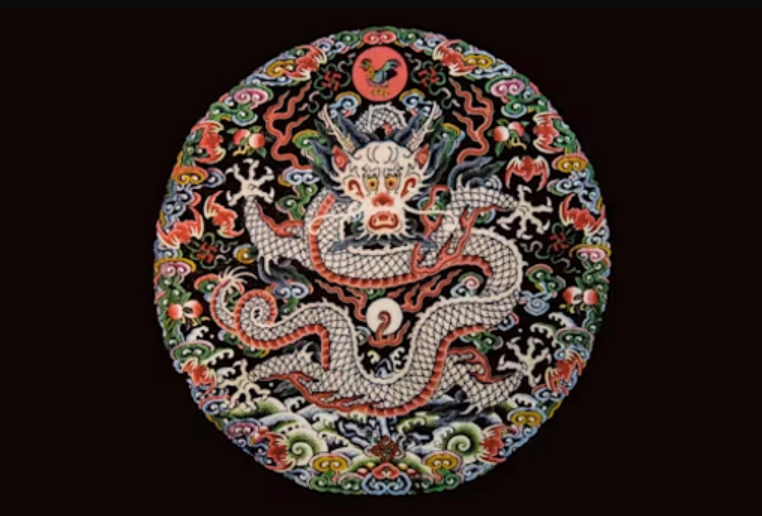
Patterns like Chinese Dragon had visible influence on gara sarees
中国龙纹样纹饰对伽罗纱丽的设计风格有着显著影响
This influence is most evident in the famous Gara sarees. These sarees, adorned with intricate embroidery, became symbols of prestige and sophistication. The dragon and phoenix motifs were not only embraced for their aesthetic appeal but also because they represented ideal qualities that resonated with the Parsi community. Alongside these, Chinese floral motifs like peonies and chrysanthemums, as well as images of cranes and other birds, were incorporated, enriching the visual language of Parsi textiles.
这种交融在著名的加拉纱丽(Gara saree)上体现得淋漓尽致。饰有繁复刺绣的加拉纱丽,是尊贵与雅致的象征。帕西人选用龙凤纹样,不仅看重其美学价值,更认同其中蕴含的精神内涵。除此之外,牡丹、菊花等中式花卉纹样,以及仙鹤等瑞鸟图案,也被融入设计,极大丰富了帕西纺织的视觉语言。
Interestingly, the Gara saree's design was influenced by the increasing trade between India and China in the 19th century, especially under the growing influence of the British East India Company. Parsi traders, well-versed in international commerce, began to import Chinese silk and advanced embroidery techniques, which elevated the quality and intricacy of their work. In fact, many Parsi clients selected patterns from Chinese export embroidery books, ensuring that their designs were in line with the latest European and Western tastes, further solidifying the global appeal of their textiles.
19世纪,英国东印度公司主导下,中印贸易往来日趋密切,进一步推动了加拉纱丽的工艺升级。精通国际贸易的帕西商人,从中国进口丝绸面料与先进刺绣技艺,大幅提升织物的工艺精度与品质。不少帕西客户直接参照中国出口刺绣图册选定纹样,让作品贴合欧洲与西方主流审美,让帕西纺织拥有了跨越国界的魅力。
Pashmina Shawls: An Evolution of Luxury
帕什米纳披肩:奢华织物的演进
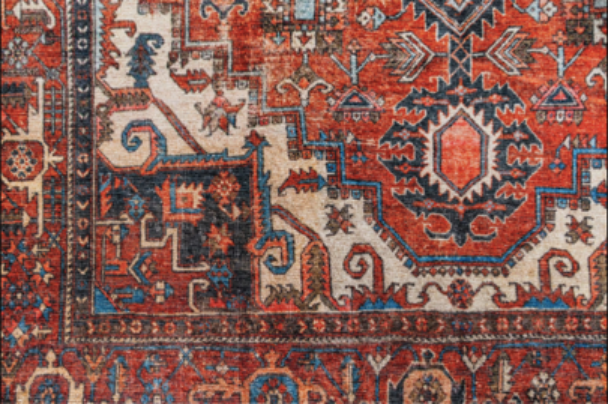
Pashmina: a classic remark of foreign influence, luxury & beauty
帕什米纳羊绒:异域格调的经典象征,诠释奢华与雅致之美。
Another remarkable product that reflects the Silk Routes' influence is the renowned Pashmina shawl from Kashmir. Known for its softness and warmth, the Pashmina shawl was historically made from the fine wool of the Chyangra goat, native to the Himalayan region. However, this luxurious textile’s story cannot be told without acknowledging the influence of Persian and Central Asian weaving traditions, as well as the subtle but enduring impact of China.
克什米尔特产的帕什米纳披肩,是丝绸文化交融的又一瑰宝。这种披肩以喜马拉雅山区羌拉山羊的细绒为原料,质地软糯、保暖性极佳,享誉世界。这款奢华织物的诞生与发展,离不开波斯、中亚织造传统的滋养,同时也深受中国文化的影响。
The Pashmina shawl’s global appeal began around the 6th century when Hiuen Tsang, a Chinese traveler, visited India and wrote extensively about the beautiful garments made from goat hair. His writings sparked a growing fascination with the textiles of Kashmir. By the 14th century, travelers such as Ibn Batuta further expanded the reputation of these shawls as symbols of luxury and cultural exchange. Interestingly, during the reign of Mohammad Bin Tughlaq, an exchange of gifts between the Indian Sultan and the Chinese emperor, Shun of the Yuan dynasty, featured Pashmina shawls. This moment in history marked a significant recognition of the Pashmina's quality and durability, adding Chinese influence to its evolving story.
帕什米纳披肩的全球知名度,最早可追溯至公元 6 世纪。中国高僧玄奘游历印度时,曾详细记载当地用山羊绒制作的华美服饰,这段记述引发了外界对克什米尔织物的浓厚兴趣。14 世纪,旅行家伊本・白图泰再度让这款披肩成为全球瞩目的奢华象征。史料记载,穆罕默德・宾・图格鲁克苏丹统治时期,印度曾将帕什米纳披肩作为国礼,赠予元朝顺帝,这让帕什米纳的品质获得了东方帝国的认可,也为其后期融入中国元素奠定基础。
With increasing trade, the Pashmina shawl’s designs began to incorporate Chinese elements—particularly motifs that resonated with both Persian and Indian artistic traditions. The material itself became increasingly sought after, leading to the establishment of specialized weaving workshops in Kashmir. Over time, the Pashmina became a global luxury item, woven with elements of both East and West.
随着贸易往来日益频繁,帕什米纳披肩的纹样开始吸纳中式元素,且与波斯、印度艺术风格完美相融。优质羊绒原料供不应求,克什米尔地区陆续建起专业织造工坊。最终,帕什米纳最终成为融汇东西方美学的世界级奢侈品。
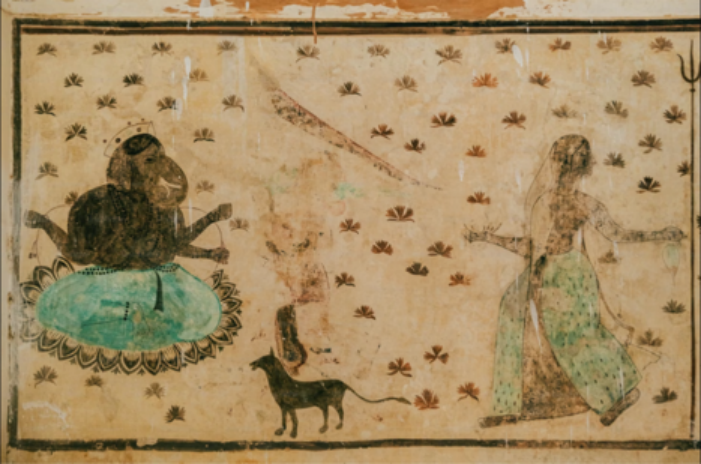
Kashmiri painting
克什米尔画作
Persian Influence on Indian Textile Art
波斯艺术对印度纺织的浸润
The cultural and artistic exchange between India and Persia is another testament to the Silk Routes' legacy. Persian artisans, with their advanced techniques in silk weaving, carpet making, and embroidery, brought significant artistic influences to India, especially during the Mughal era. Persian designs, such as intricate floral motifs, brocade weaving, and sophisticated dyeing methods, were adopted and incorporated into Indian textile production.
印度与波斯的文化艺术交流,是丝绸之路留下的又一珍贵遗产。波斯工匠掌握着丝绸织造、地毯编织、刺绣等顶尖工艺,莫卧儿王朝时期,这些技艺大规模传入印度,深刻重塑了当地纺织艺术。波斯的繁复花卉纹样、锦缎织造技法、高端染色工艺,均被印度纺织业吸纳并本土化创新。
One striking example of Persian influence is Kalamkari, a traditional Indian art form that became significantly refined under Mughal patronage. Persian elements, such as the use of floral designs and cypress trees, became prominent motifs in Kalamkari. These motifs, especially the cypress tree, had long been associated with Persian art, and their integration into Indian textiles created a rich blend of Persian elegance with Indian storytelling. Today, Kalamkari is celebrated not only for its religious themes but also for its modern adaptations that carry the same intricate Persian-inspired designs.
其中,卡拉姆卡里(Kalamkari)手绘印染工艺,在莫卧儿王朝的扶持下实现质的飞跃,成为波斯影响的典型代表。波斯经典的花卉图案、柏树纹样,成为卡拉姆卡里的重要元素。柏树作为波斯艺术的标志性符号,与印度本土叙事美学结合,造就了兼具波斯优雅与印度神韵的艺术形式。如今的卡拉姆卡里,既保留传统宗教主题,也衍生出现代化版本,依旧承载着波斯风格的精致纹路。
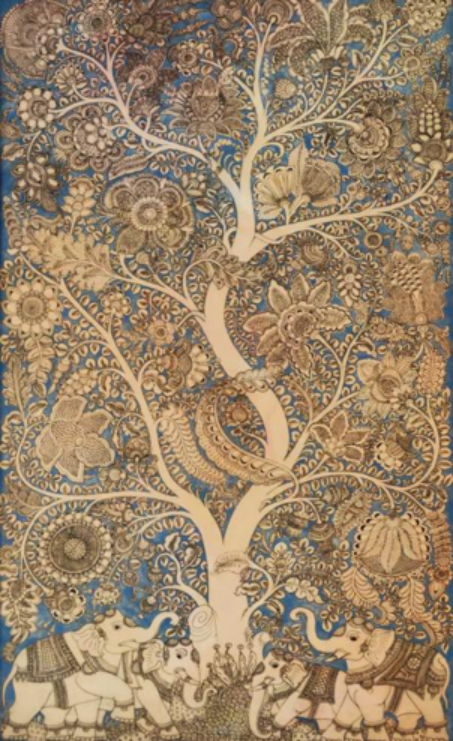
Tree of life in Kalamkari by Harinath N
《生命之树》|卡拉姆卡里纹样 哈里纳特・N 作
Brocade: The Mughal Fusion
锦缎:莫卧儿王朝的融合典范
Brocade, a luxurious fabric often woven with gold or silver threads, also bears the mark of Persian influence on Indian textiles. The Mughal rulers, particularly Emperor Akbar, were fascinated by Persian brocades and invited Persian artisans to his court to craft textiles of unmatched beauty. These weavers brought with them advanced silk-weaving techniques that incorporated metallic threads and floral and geometric patterns.
以金银线织就的奢华锦缎,同样烙印着波斯艺术的痕迹。莫卧儿统治者,尤其是阿克巴大帝,对波斯锦缎极为推崇,特意邀请波斯工匠入宫,打造工艺绝伦的织物。波斯工匠带来了融入金属线、花卉与几何纹样的高端丝绸织造技术。
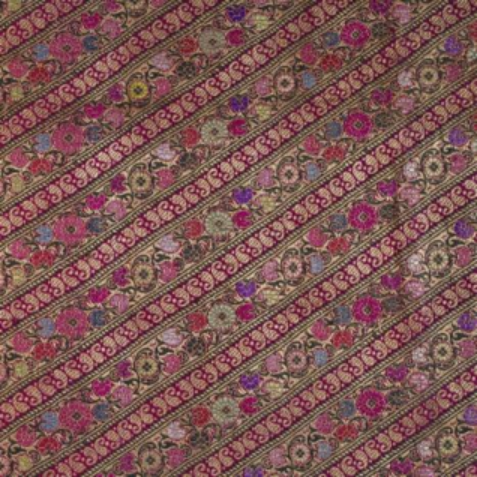
Persian-inspired brocade
波斯风格织锦
Interestingly, the fusion of Persian opulence with Indian design sensibilities gave rise to the intricate brocade textiles produced in Banaras and Jaipur, which became highly coveted not just in India but across the world. These brocades were not only used for royal garments but also adorned furniture and other items of daily life, embodying the grandeur and luxury that defined the Mughal court.
波斯的华贵气韵与印度设计理念碰撞融合,诞生了贝拿勒斯与斋浦尔出产的顶级锦缎,不仅风靡印度,更成为全球追捧的珍品。这类锦缎既用于皇室服饰,也用于装饰家具与日常用品,尽显莫卧儿宫廷的恢弘与奢华。
Batik Prints: Southeast Asia’s Artistic Influence
蜡染印花:东南亚的艺术印记
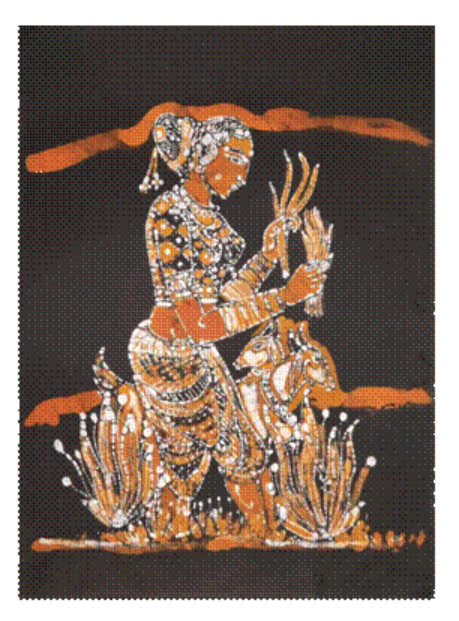
Harmonious Whispers
《和谐絮语:乡村女子纪事》
The Batik printing technique, originating in Java, found its way into Indian textile traditions through the Silk Routes. This unique method involves using hot wax to block out certain areas of fabric, which are then dyed to create intricate and detailed patterns. The technique caught the attention of Indian textile artisans, particularly in regions like Gujarat and West Bengal.
源自爪哇岛的蜡染印花工艺,经丝绸之路传入印度纺织体系。这项工艺的核心是用热蜡在面料上阻隔染色,染制后形成层次丰富的精细纹样。印度古吉拉特邦、西孟加拉邦的纺织工匠,很快掌握了这项技术并加以本土化改造。
Interestingly, the adoption of Batik by Indian weavers resulted in a fascinating blending of Javanese precision with the bold, colorful nature of Indian textiles. Motifs such as floral patterns, geometric shapes, and natural elements from Southeast Asia became part of the Indian fabric vocabulary. This fusion led to a hybrid style of textile design that is still evident today in traditional bandhani and tie-dye techniques.
印度工匠将爪哇蜡染的精细工艺,与印度织物大胆浓烈的色彩风格结合,形成独特的融合美学。东南亚的花卉、几何图形、自然元素等纹样,融入印度纺织的设计语言。这种跨界融合催生的新型工艺,至今仍能在印度传统班达尼扎染、扎染技法中找到痕迹。
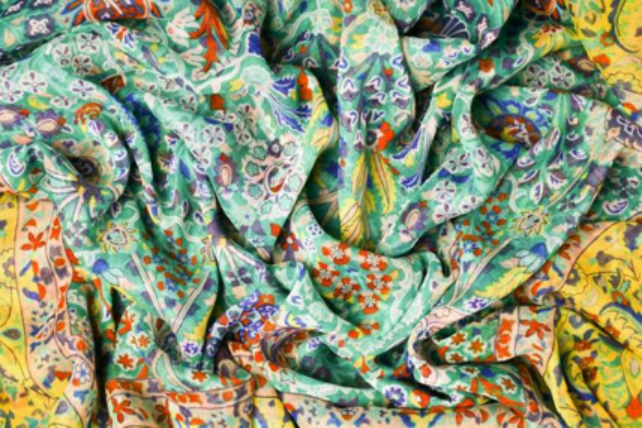
Vibrant Batik print patterns
鲜活绚丽的巴迪克印花纹样
The Lasting Legacy of the Silk Routes
丝绸之路的不朽遗产
The Silk Routes, with their complex network of trade and cultural exchanges, shaped more than just the flow of goods—they also nurtured an artistic cross-pollination that defined the fabric of India’s textile heritage. From the delicate Parsi embroidery that combined Chinese motifs to the opulent brocades woven under Mughal influence, these traditions remain a testament to the enduring legacy of the Silk Routes.
丝绸之路以错综复杂的贸易与文化网络,不仅改变了商品流通格局,更催生了跨越国界的艺术交融,铸就了印度纺织遗产的核心脉络。从融汇中式纹样的帕西刺绣,到受波斯风格影响的奢华锦缎,这些传承至今的工艺,都是丝绸之路文明交融的鲜活见证。
Today, the products of these ancient exchanges, like Pashmina shawls and Kalamkari art, continue to be celebrated, cherished not only for their beauty but also for the stories they carry—stories of travelers, traders, and cultures that met and merged along these ancient routes. The enduring appeal of these textiles proves that the legacy of the Silk Routes is still very much alive in India’s rich textile heritage.
如今,帕什米纳披肩、卡拉姆卡里手绘印染等古老工艺依旧被世人推崇。它们的价值不仅在于美学本身,更在于承载着丝路行者、商人与多元文明相遇相融的故事。这些经久不衰的纺织瑰宝,印证着丝绸之路的遗产,始终鲜活地存在于印度璀璨的纺织文明之中。
内容来源|memeraki
转载请注明来源:世界丝绸网